I killed the people pleaser in me

People pleasing—it seems like a virtuous trait, right? What’s so wrong with appeasing others to avoid strife and tension?

As a recovered people pleaser, I can tell you: while I never had bad intentions (I don’t think many of us do), this quality became a complete disservice to myself—and to others. I didn’t realize this until I had an experience that broke me, made me question who I was, and revealed that I didn’t even know the answer to that fundamental question. I had no sense of self because I was always longing to be someone others wanted me to be, rather than who I wanted to be.

Of course, that hurt me. I went along with situations I wasn’t okay with, ignored my boundaries (hell, I didn’t even know what they were), and watched myself stay silent instead of standing up for what was right, all because I didn’t want to rock the boat.
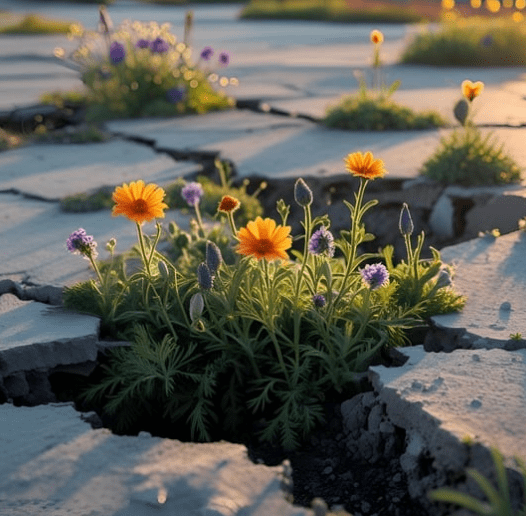
“I had no sense of self, because I was always longing to be someone others wanted me to be, rather than who I wanted to be.”

And it didn’t just affect me. It affected my loved ones, too. Though it’s usually not malicious, a people pleaser is simply not being genuine. I like to think of Aristotle’s quote: “A friend to all is a friend to none.” Ironically, when you try to make everyone happy, you end up not standing for anyone—or anything—when it truly counts. Not to mention, prioritizing others’ happiness can mean sacrificing your own happiness.

People pleasing often stems from trauma—a learned need to seek external validation instead of self-validation. It’s incredibly difficult to be true to yourself when you’ve experienced that being accepted and liked requires self-abandonment. It takes deep, ongoing self-work to figure out what your values actually are—who you really are—and what you’re okay and not okay with.

“It’s incredibly difficult to be true to yourself when you’ve experienced that being accepted and liked requires self-abandonment.”

So one day, I started making efforts toward killing the people pleaser in me because I wanted more for myself, and I wanted to better serve the people I love. Since then, I’ve become kinder, more loyal, more self-assured, and an improved version of myself all-around. But that hasn’t come without growing pains. There have been tough conversations. People have gotten upset with me. Some don’t agree with me. And that’s okay.

I unearthed my voice, found myself, and I no longer deviate from who I am. That’s how you grow. That’s how you stay real with others.

See my poem below based on this journey. It will be featured in my upcoming poetry collection, twentysomething: 💛

Death of the people pleaser

I killed the people pleaser

in me

shot her dead

each time she emerges

meekly insisting

to serve another’s

needs

before my own

she’s hurled into the air,

and violently beheaded.
The years that ask questions

There’s a famous quote that’s stuck with me lately: “There are years that ask questions and years that answer,” from Zora Neale Hurston’s novel, Their Eyes Were Watching God. It beautifully captures the dichotomy we experience in life—years when we’re rewarded with joyful times and clarity that we’re on the right path, and other years when we face uncertainty, loss, and question whether life will start making sense again.

During the years that ask questions, you may experience life-altering grief, continuous failure, unexpected change, or simply feel unsure of where you’re supposed to be headed. But this is the period where we learn most about ourselves and become who we are meant to—because these years are also marked by substantial wisdom and growth.

Particularly this year, I turned 27. Often an overlooked age, it was significant for me—recognizing I’m no longer an early- or mid-twentysomething; thirty is imminent. I’m not old by any means, but for the first time, I’ve grieved my youthfulness. My hair has begun greying and my body is holding weight differently, my responsibilities at work have become more serious, and the quest to find love and settle down feels more like a priority.

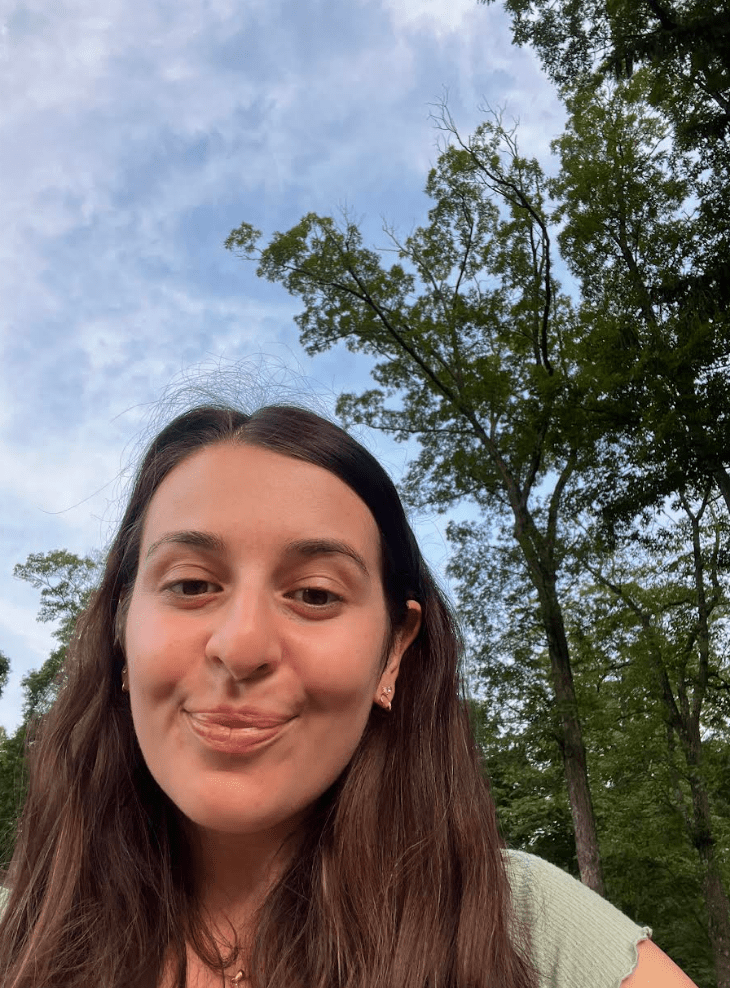
Twenty-seven-year-old me!

Particularly this year, I turned 27. Often an overlooked age, it was significant for me—recognizing I’m no longer an early- or mid-twentysomething; thirty is imminent.

Rather than frolicking from fabulous plan to fabulous plan like I did when younger, with the belief that my life would be everlasting, this year has led to a number of questions: Am I still as pretty, and how will I look when I’m actually old? Will I be able to maintain work-life balance as I move up in my career? Does a man out there exist who truly makes my life better?

These questions have filled my head this past year, and the subtle change to “more adult” has been uncomfortable. But also, the shift to the later twenties has been an incredible blessing.

I’ve learned to be kind to myself and accept my changing, healthy body (it’s okay to ditch the jean shorts I’ve had since 19). I’ve landed a career where I’m respected and rewarded for excelling, so it’s worth it to put in the extra hours (advertising, am I right?). And, I’ve realized that although I’ve endured some dating fails (that’s putting it lightly), I put myself first and value deep connection—and that’s why finding love is far more rare.

As I’ve moved through this new stage, I’ve found it to be a year that’s been full of questions. But as I write this, I realize the years that ask questions also bring profound answers and lessons.

💛And here’s a poem I wrote about this season of life. 💛

Something has shifted in me, not seismic

more like how the Moon

moves 3 cm from Earth each year

I push, push away—like an armless sea creature

from old habits, attachments,

the foolhardiness of an early twentysomething

7 am mornings, novels with travel & magical realism

YouTube yoga, chemical-free creams,

finding joy in dinner parties,

wait, I actually like being a homebody

valuing conversation with my father,

blessed to have a healthy grandmother

spring weekends spent daytripping

rather than losing hours daydrinking

searching for kindness, reliableness in a man

rather than plucking out the most cocky, fickle specimen

experiencing the first signs of greys, fine lines

but not the least bit terrified 

because I like the person I’ve become

a whole lot more than who I was…

Treating your inner child like she’s your own

Through reading and talk therapy, I came across the idea of inner child work in my mid twenties. Initially, the concept sounded a bit bizarre: visualizing a younger version of myself and befriending her? How could this possibly help? I could barely remember who I was back then—that version of me felt far removed from who I am today.

But interestingly, as I started healing my inner child, I did connect with her in many ways. Deeply creative, humorous, sensitive, compassionate, loving, happy, kind—quiet around certain people, yet bursting with conversation around those who made me feel beautiful. I realized I still carry many of these traits with me, just like how the brilliant butterfly is still her childlike caterpillar self at the core.

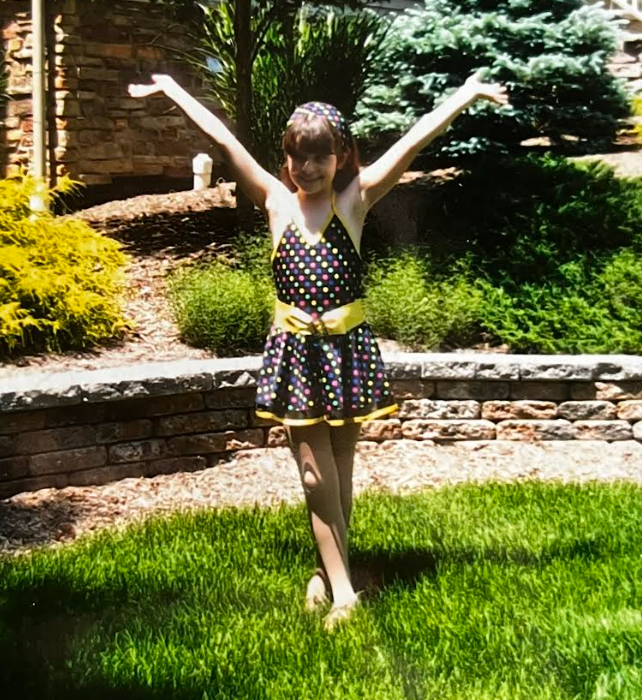
At around age seven, striking a pose before a dance recital.

“And over time, I didn’t just see my inner child as a friend, but as something even more intimate—as my own child.”

However, the more painful part of inner child work was revisiting her qualities that I didn’t love—and felt others didn’t love either: her insecurity, emotions, shame, shyness, nervousness, people-pleasing, and the sense of never being good enough or capable of standing up for herself. As I reflected on the life experiences that shaped these patterns, I found myself meeting my younger self with deep empathy and understanding, which felt healing.

And over time, I didn’t just see my inner child as a friend, but as something even more intimate—as my own child. Being an older version, I felt the need to protect her and care for her like a daughter to provide her the unconditional love and attention she yearned for. I could recognize all the beauty within her while also accepting the traits she struggled with.

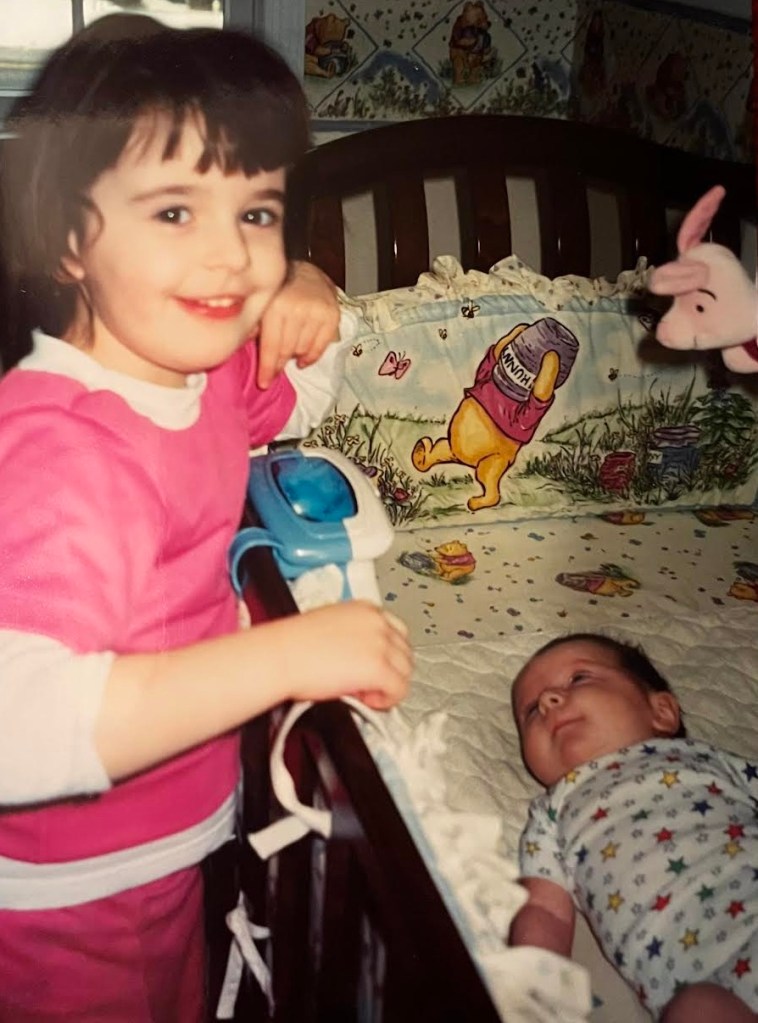
With my younger sister, nicknamed Roo, one of the most special people I would ever meet.

This practice has had a profound impact on how I view all parts of myself today. If I could make peace with my past and be kinder to my younger self, I could also be more compassionate toward my current self. Maybe healing isn’t about burying the traits I don’t like, but about celebrating my beautiful intrinsic traits while understanding my not-so-favorite ones—learning and growing from them, while forgiving myself and others.


And here’s a poem inspired by this topic. It will be featured in my upcoming poetry collection, twentysomething. 💛

Maybe the person I was when just a kid

was who I’m meant to be, the truest version of me:

guitar-loving, always running, quiet around certain people,

yet bursting with conversation around those who made me feel beautiful

reading books, dreaming big, thinking I’m made for something greater than all this…

I got bangs again in her honor, boy did she have a sense of style!

You can try to drift away from who you once were, but it will always re-emerge.

The freckle-skinned kid lives within us. It is magic.

Grateful I’ve found gratitude

Oh, how I love gratitude. This seemingly simple tool has transformed my life. Not even being dramatic! I once heard that when experiencing mental health struggles, gratitude can be significantly beneficial. So when I was in a dark time, I tried incorporating it into my life. I started by reciting three things I’m grateful for each night before bed. It seemed easy enough, and a nice way to build a daily habit of practicing gratitude.

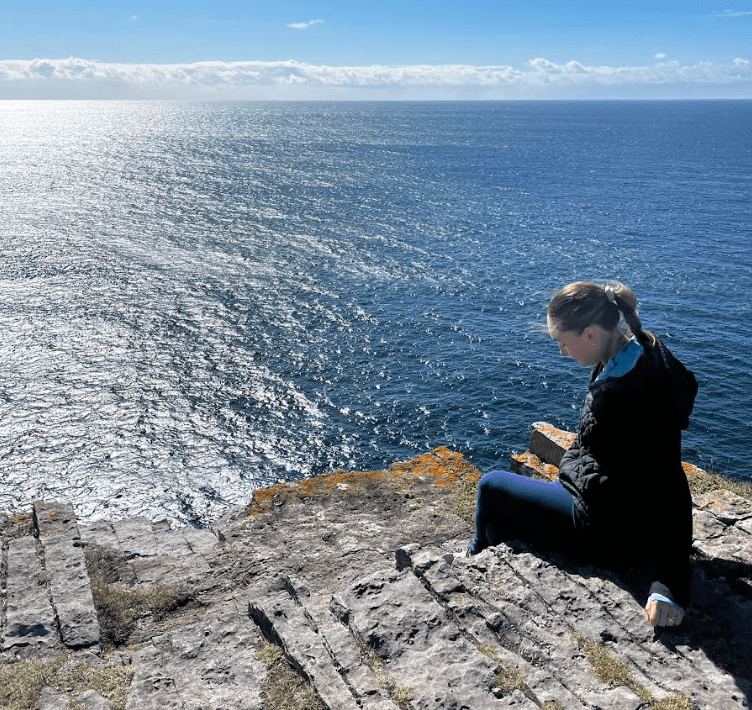
I noticed my gratitude list ranged from naming something grand—like biking cliffside in Ireland with my best friends—to acknowledging something that was just as magnificent but more mundane, like decorating a Christmas tree with my father on an enchanting winter night.

One of my best friends, Kayla , enjoying the view after our cliffside bike ride in Galway, Ireland— an adventure I am super grateful for!

Including gratitude as a nighttime ritual gave it a spiritual quality, like I was praying each night, thankful for the chance to live and for the fulfilling moments from each day. Even bad days, I realized, weren’t so awful when I reflected on how much I had, not just what I was lacking. Talk about glass half full!

This practice made me meet each next day with anticipation: What would I find splendor in? It also rewired my brain, encouraging my inner voice to be kinder to myself: Look at all you have; you are blessed! And kinder to those around me—maybe I had something on my gratitude list others might not.

It would be amiss not to acknowledge that it is completely valid to have moments where you feel sorry for yourself or frustrated with your circumstances, especially in the face of tragedy. Sometimes, it truly is hard to practice gratitude—and we’ve all experienced that. Still, I do believe this tool can offer some mental health support during these trying times.

I continue to say three things I’m grateful for each night, whether I’m in a great mental space or not.

Gratitude…I am grateful for you!

The magic of your intuition

I am a huge intuition girl. Trusting your gut, I believe, is one of the best ways to honor yourself. It’s this natural—but also seemingly supernatural—power that feels both linked to our evolutionary instinct to stay safe and to a deeper spiritual wisdom nudging us in the right direction. 

When I was younger, I doubted my intuition more times than I’d like to admit. And that’s easy to do—because intuition often whispers truths we don’t want to hear.

A condescending remark from a boyfriend may spark a splash of fear, but you brush it off because the relationship is just blooming and you think you’re overreacting. A college roommate who makes you anxious? You write it off because she means well, and you convince yourself you’re being awkward. You quiet your intuition because you want to see the best in others, though you end up in situations that don’t serve you.

“Those who have endured the most often have the sharpest intuition of all.”

Beyond just dismissing your intuition’s brutal honesty, it’s especially challenging to trust your gut when others have constantly questioned your reality or insisted your feelings are “too much.” Whether that doubt originated from childhood or from having the wrong people in your circle, many of us have to relearn how to hear—and believe in—the power of our inner voice again.

The good news? Those who have endured the most often have the sharpest intuition of all. Your past has shaped your hypersensitivity to those and the world around you. You pick up an all the subtle clues that carry a deeper meaning and you decode the truth long before it’s revealed. Your intuition isn’t broken. It’s your strongest superpower.

You just have to begin listening to it…

“The sorrow you’re feeling now will pale in comparison to the joy that is to come”

A paraphrase from Romans 8:18, this has become a quiet mantra for me lately.

We all experience periods of melancholia in life—whether it’s grieving the loss of a loved one, feeling trapped in an unfulfilling job, or facing yet another heartbreak. It’s easy to feel downhearted in the midst of these moments. But, even then—actually, especially then—I’ve found it’s important to recognize the abundance that still exists and the beauty surrounding us.

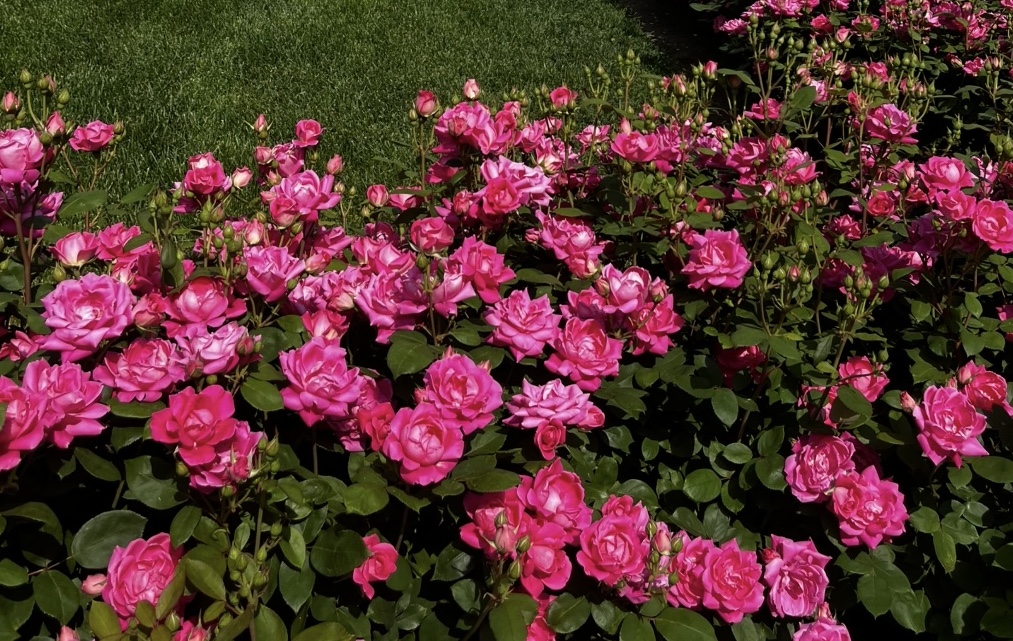
Watching fuchsia roses glimmer in June sunlight. Enjoying an icecream date with your grandmother marked by belly laughter. Hitting the trail for a brisk afternoon walk, thanks to your strong, healthy body.

All these gifts that are present are reminders that the sadness devastating one area of your life will one day be replaced with light and happiness again. There were moments when you longed to be free from a situation or released from a feeling—and you were. You’ve asked for what you now hold in your hands.

Though there never may be complete harmony in every corner of your life, there is evidence all around us that things can change. You will overcome what you are going through. And what awaits you is often far more sublime than what you could have ever even imagined.

“The sorrow you’re feeling now will pale in comparison to the joy that is to come.”